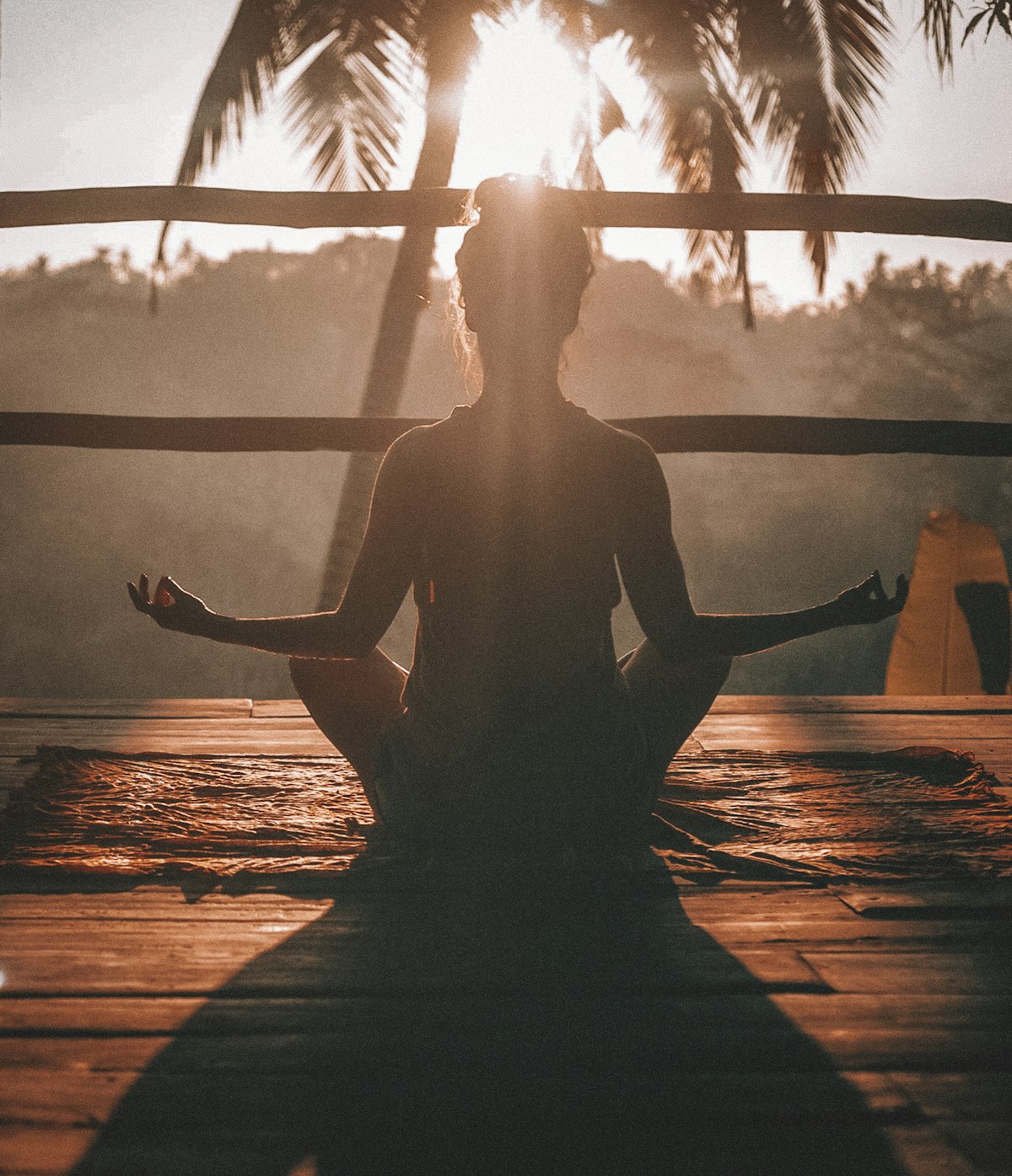
How to Create a Meditation Space at Home

Transform any corner of your California home into a sanctuary for daily meditation. A practical guide to space design, fragrance selection, and building a practice that sticks.
The problem with meditation isn't the practice itself — most people find that it works when they actually do it. The problem is environment. Without a dedicated space, every session requires a small negotiation: Where should I sit? Is it quiet enough? Did I close the laptop? Will someone interrupt me?
A dedicated meditation space eliminates these negotiations. It signals to your brain, reliably and immediately, that this time is different. Combined with consistent sensory cues — especially fragrance — it can transform a sporadic practice into a daily habit.
Here's how to create one, regardless of how much space you have.
Choose Your Corner
California homes vary enormously — a Malibu ranch house is not an Oakland apartment. But the same principles apply everywhere.
You're looking for:
- Relative quiet. Not silence, but somewhere removed from your main living area and kitchen noise.
- Natural light or controllable light. A window that isn't directly behind you while seated. Controllable with curtains if you prefer to meditate in low light.
- Minimal visual clutter. The goal is a space that doesn't activate your problem-solving mind when you enter it.
A bedroom corner, a home office alcove, a covered patio corner — all work. The square footage matters far less than the consistency of use.
The Physical Setup
Seating. A firm meditation cushion (zafu) on a cushioned mat (zabuton) is ideal for floor sitting. If floor sitting isn't comfortable for your body, a dedicated chair with an upright posture is equally valid. The key is that this seat is used only for practice, not for working or scrolling.
Low table or shelf. A small surface at eye level when seated gives you a visual focal point and a place for your sensory ritual objects: an incense holder, a candle, a small plant, a smooth stone.
Nothing else required. The minimalism is intentional. A meditation space that requires setup or cleanup will quietly reduce your practice frequency.
Designing the Sensory Environment
The brain anchors memory and state to sensory context. A meditation space that always smells and looks the same trains your nervous system to settle faster when you enter it. This is the neuroscience behind ritual.
Fragrance is the most powerful sensory anchor. Choose one primary incense scent for your space and use it exclusively there. Over time, the moment you smell it, your system will begin to shift.
For a home meditation space, we recommend:
- Frankincense for those who want a ceremonial, grounding quality
- Sandalwood for warmth and mental clarity
- Cedarwood for those who prefer earthy, forest-like calm
- Lavender for anxiety-prone meditators who need help releasing tension before settling
Burn your incense stick as you begin your session. One stick is typically sufficient. Place it in a quality holder that catches the ash cleanly — loose ash on your meditation surface will interrupt your attention.
Lighting. Soft, warm light (2700K–3000K bulbs, or candlelight) is far more conducive to meditation than cool overhead lighting. A small Himalayan salt lamp provides a beautiful warm glow and doubles as a visual focal point.
Sound. Optional but worth considering. Many California meditators use a small Bluetooth speaker to play ambient sound — forest recordings, binaural beats, or simply white noise to mask household sounds. Others prefer silence.
Building Consistency
The space alone will not make you meditate. But it dramatically lowers the resistance. Here's how to use it effectively:
Use it every day, even for two minutes. Neurological habit formation requires consistent repetition more than duration. Two minutes in your space every morning is more powerful than a 30-minute session three times a week.
Establish an entry ritual. Light your incense. Sit down. Take three conscious breaths before beginning. This sequence becomes a neural cue over time, and eventually the sequence itself begins to induce the meditative state.
Keep it clean. A cluttered meditation space will gradually stop feeling like a retreat. Spend two minutes after each session ensuring the space is ready for the next visit.
Your space doesn't need to be Instagram-worthy. It needs to be yours — consistent, sensory-anchored, and available every morning before the rest of the world needs you.
Frequently Asked Questions
Remarkably small. A 4x4 foot corner is genuinely sufficient. The space doesn't need to be large — it needs to be dedicated. A meditation cushion, a small table for candles or incense, and a visual anchor (a plant, a piece of art) are all you need.
Frankincense, sandalwood, and nag champa are traditional choices with a long history of ritual use. For a more contemporary approach, cedarwood and white sage are popular in California wellness communities. The best choice is whichever scent you consistently associate with calm attention.
Absolutely not. A meditation space is simply a dedicated physical area that signals to your brain: this is where I practice stillness. No beliefs are required. Many people create simple, secular spaces using only natural objects, good lighting, and quality fragrance.